

Realising that a loved one needs extra help at home is an emotional milestone. It brings up feelings of worry, guilt, and confusion. You want the absolute best for your family member, but navigating the healthcare system often feels overwhelming. Finding someone who is patient, skilled, and compassionate takes time and careful research.
This article serves as your definitive resource for securing top-quality support. Whether you need an hour of help a day or full-time supervision, we cover everything you need to know. You will learn about different types of care, average costs, and how to properly vet a potential personal carer in Manchester.
To make your reading experience easier, here is what we will cover:
- What the role involves
- Types of support available
- Average costs and funding
- How to properly vet a candidate
- Agency versus self-employed options
- Important questions to ask
- Frequently asked questions
What Is a Personal Carer and What Do They Do?

If you are new to domiciliary support, the terminology can be confusing. A personal carer is a trained professional who visits individuals in their own homes to assist with daily living activities. Their primary goal is to help your loved one maintain their independence, dignity, and comfort in familiar surroundings.
The duties vary widely depending on the individual’s unique needs. Some people only need a friendly face and a cup of tea, while others require complex physical assistance.
Here are the typical duties you can expect:
- Washing, bathing, and showering assistance
- Help with dressing and grooming.
- Preparing nutritious meals and monitoring hydration
- Prompting and administering daily medication
- Providing mobility support and help with transfers
- Offering genuine companionship and emotional support
- Light household chores like laundry and tidying
People often wonder about the difference between a care assistant, a support worker, and a personal care. Generally, a personal carer focuses heavily on physical assistance and daily routines within a domestic setting. A support worker might focus more on helping individuals with learning disabilities access the community. However, the job titles are often used interchangeably in the industry.
Types of Personal Care Available
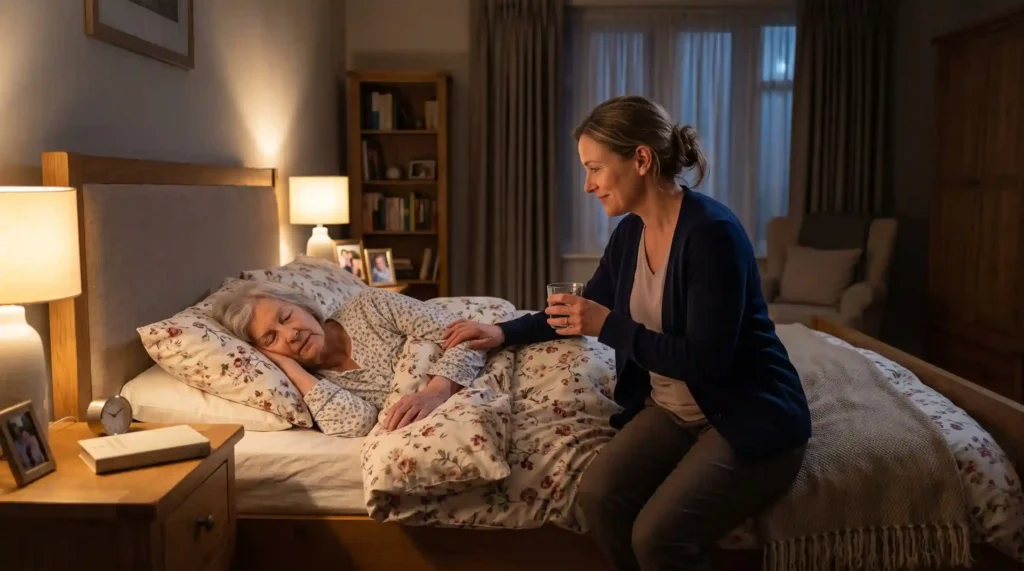
Not everyone needs the exact same level of support. The right choice depends entirely on your loved one’s medical condition, mobility, and personal preferences.
Visiting and Hourly Care
This is the most common starting point for families. A professional drops in for specific durations, ranging from thirty minutes to a few hours. These visits usually happen in the morning to help with waking up and dressing, or in the evening to assist with the bedtime routine. It is a highly flexible option that adapts as needs change.
Live In Care
When hourly visits are no longer enough, you might consider a full-time solution. A live-in care in Manchester moves into the client’s home to provide round-the-clock reassurance. This option prevents the need for a residential nursing home, allowing the individual to stay among their cherished memories and pets.
Overnight Care
Nighttime can be particularly daunting for elderly individuals or those recovering from surgery. Overnight support comes in two forms: sleeping nights and waking nights. On a night off, the professional sleeps in a spare room and is on hand for emergencies. A waking night means the professional stays awake all night to monitor the client, provide medication, or assist with frequent bathroom trips.
Specialist Care
Certain health conditions require specific expertise. Specialist support covers complex needs like advanced dementia, severe physical disabilities, post-hospital recovery, and palliative end-of-life support. These professionals undergo extensive extra training to manage challenging behaviours, utilise specialised lifting equipment, and provide clinical-level observation.
Comparing Your Options
| Type of Care | Best Suited For | Average Weekly Cost Estimate |
| Visiting / Hourly | Early stage needs, companionship, light help | £100 to £400 (based on hours) |
| Live In | Preventing care home admission, 24/7 peace of mind | £1,000 to £1,500+ |
| Overnight | Fall risks, nocturnal dementia wandering | £120 to £200 per night |
| Specialist | Complex medical needs, palliative stages | Varies widely based on clinical needs |
Finding reliable personal care services in Manchester means assessing these options carefully against your current situation and budget.
How Much Does Care Cost?

Understanding the financial side of domestic support is crucial for long-term planning. This is often the most stressful part of the process for families.
The hourly rate usually ranges from £18 to £25. This rate fluctuates by time of day, with weekends and bank holidays carrying premium charges. If you require specialised medical attention, the hourly rate will naturally increase to reflect the advanced training required.
For those looking at full-time options, the weekly cost typically starts around £1,000 and can reach £1,600 or more for highly complex needs.
You must also consider the fee structures. Hiring through a regulated agency is generally more expensive upfront because the agency covers training, insurance, backup, and staff. Hiring an independent worker might seem cheaper initially, but you take on the responsibilities of an employer.
Is There Financial Help Available?
Many families do not realise they are entitled to financial assistance. You should immediately request a care needs assessment from your local council. Depending on the financial assessment, the local authority might contribute toward the personal carer cost in Manchester.
You can also look into direct payments. This is where the local authority gives you the allocated funds directly, allowing you to choose and arrange your own support instead of using the council’s default providers. Furthermore, benefits like Attendance Allowance are not means-tested and can provide a helpful weekly sum to individuals over state pension age who need physical assistance.
How to Find and Vet a Professional

Inviting a stranger into your home or the home of a vulnerable relative requires a massive leap of faith. Following a strict vetting process protects your family and ensures a high-quality match. Here is a step-by-step guide to hiring safely.
- Assess Exact Needs: Before you start searching, write down a detailed list of what your loved one actually needs. Note their daily routine, dietary requirements, and personality preferences.
- Decide on the Route: Choose between the security of an agency and the direct control of an independent worker. If you decide to hire a personal carer in Manchester, knowing your preferred route narrows the search significantly.
- Check Background Certificates: You must never skip background checks. Always verify that you are dealing with a DBS-checked carer in Manchester. This certificate proves they have no criminal history that would bar them from working with vulnerable adults.
- Verify Qualifications: Ask to see their training certificates. They should have up-to-date training in manual handling, basic first aid, safeguarding, and medication administration.
- Check Registration: If you use an agency, check their rating with the Care Quality Commission. The CQC inspects and regulates all official agencies, providing public reports on their safety and leadership.
- Read Reviews and Ask for References: Speak to previous clients if possible. Online reviews provide a good baseline, but a quick phone call to a previous employer offers deeper insights into the worker’s reliability and temperament.
- Arrange a Trial Period: Start with a two-week trial. This allows the client and the worker to see if their personalities clash before committing to a long-term contract.
Agency vs Self-Employed Support: Which Is Better?

Families constantly debate whether to use a regulated agency or to hire a private individual. Both options have distinct advantages and drawbacks.
Feature | Regulated Agency | Self Employed Professional |
Cost | Higher hourly rate due to overheads | Lower hourly rate, negotiated directly |
Backup Cover | Provided automatically if worker is sick | You must find your own emergency cover |
Vetting | Done for you (background, training, right to work) | You must perform all background checks yourself |
Administration | Agency handles payroll, taxes, and contracts | You handle payments and possibly employer taxes |
Consistency | You might see multiple different faces | You build a relationship with one specific person |
Using a Manchester care agency provides ultimate peace of mind. If the scheduled worker’s car breaks down, the agency sends a replacement. They handle all the stressful paperwork, insurance, and ongoing training.
Opting for a private carer in Manchester works beautifully if you want total consistency. Your loved one sees the exact same face every single day. However, you become responsible for finding emergency cover if they fall ill or take a holiday. You must also ensure they have their own comprehensive public liability insurance.
Coverage by Area

Finding support close to your exact location ensures punctuality and local knowledge. Most domestic support companies cover a wide radius across the entire region. Whether you live in the bustling centre or the quieter suburbs like Didsbury, Chorlton, or Stockport, there are professionals ready to assist.
Proximity matters. A worker who lives nearby will not be delayed by heavy commuter traffic. They also know the local pharmacies, doctors’ surgeries, and community centres, which is incredibly helpful for clients who want to maintain an active social life. When exploring home care Manchester, always ask the provider about their specific travel radius and if they charge extra for mileage.
Questions to Ask Before Hiring

When you finally sit down to interview a potential candidate or an agency manager, you need a solid list of questions. Treat this like a formal job interview.
- How many years of experience do you have in domiciliary support?
- Do you have specific experience with my loved one’s medical condition (like Parkinson’s or diabetes)?
- Can you provide a recent, enhanced background check certificate?
- What happens if you are sick or your car breaks down?
- How do you handle medical emergencies or sudden falls?
- Are there any hidden costs, like weekend enhancements or mileage fees?
- What are the exact terms of the cancellation policy?
- How do you log your daily visits and report changes in health?
A professional providing domiciliary care in Manchester will answer these questions confidently and transparently.
Frequently Asked Questions
How quickly can I arrange support?
If you are in an emergency situation, such as a sudden hospital discharge, many agencies can arrange an assessment and begin visits within twenty-four to forty-eight hours. Private individuals might need more notice depending on their current client roster.
Can I use direct payments to pay for support?
Yes, you can. If your local council grants you a direct payment budget, you have the freedom to spend it on an agency or an independent worker of your choosing, provided it meets the outcomes agreed upon in your care plan.
What is the difference between domestic support and nursing support?
Domestic support helps with daily living activities like washing, dressing, and cooking. Nursing support involves clinical tasks like administering injections, managing complex wound dressings, and changing catheters. Nursing tasks must be performed by a registered nurse.
Are these professionals regulated?
Agencies are strictly regulated by the Care Quality Commission. However, independent, self-employed individuals are not currently regulated by the CQC. This is why thorough personal vetting is so critical when hiring privately.
What happens if my family member does not like the worker?
Personality clashes happen. It is a highly intimate job. If you use an agency, you can simply call the office and request a different worker. If you hire privately, you will need to terminate the contract in accordance with your agreed notice period and restart the search.
Is this a good solution for dementia patients?
Absolutely. Many families prefer elderly care at home in Manchester for dementia patients because moving them into a residential facility causes severe distress and confusion. Staying in a familiar environment with established routines significantly slows cognitive decline and reduces anxiety.
Conclusion
Securing reliable domestic support transforms the lives of vulnerable individuals and provides immense relief to worried families. While researching costs, navigating funding, and conducting interviews can feel daunting, breaking it down into manageable steps makes it entirely achievable. By understanding your options, asking the right questions, and prioritising thorough background checks, you can establish a safe, comfortable environment for your loved one.
Every individual deserves to age with dignity and respect in the comfort of their own home. If you are ready to explore your options and find the perfect match, contact our compassionate team today for a free, no-obligation assessment. Let us help you bring peace of mind back to your family.