Monitoring a loved one's health can feel overwhelming. When you are caring for an ageing parent or relative, understanding their medical readings is vital to keeping them safe and comfortable at home. One of the most common health metrics is a BP reading. Understanding how to read an elderly BP…



Monitoring a loved one’s health can feel overwhelming. When you are caring for an ageing parent or relative, understanding their medical readings is vital to keeping them safe and comfortable at home.
One of the most common health metrics is a BP reading. Understanding how to read an elderly BP chart is key to spotting health issues early. This guide explains what these numbers mean, how they change with age, and what to watch for on a chart.
By the end of this post, you will feel much more confident in understanding an elderly age blood pressure chart and knowing when to reach out to a healthcare professional.
Understanding the Basics of Heart Health
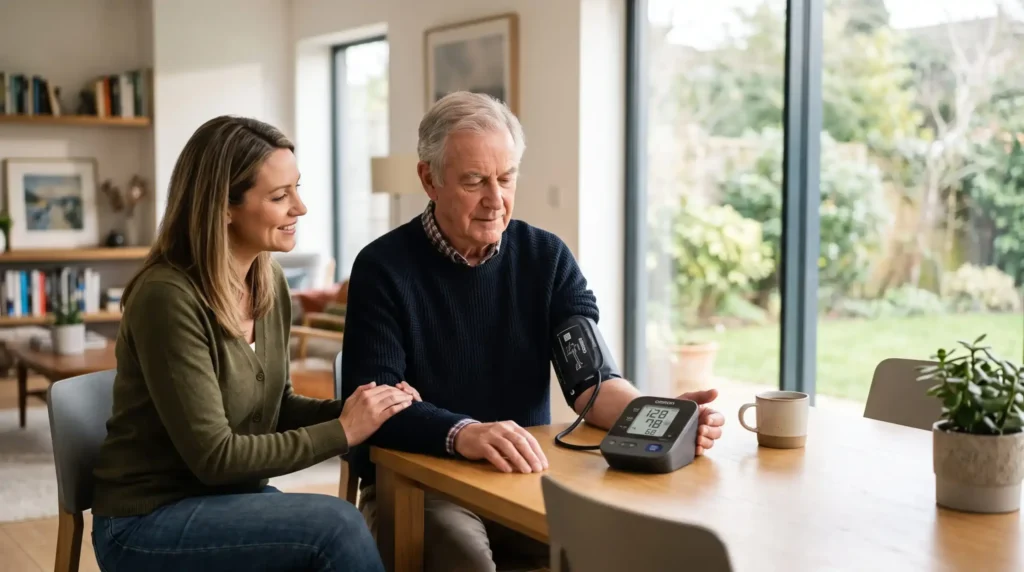
Before you can accurately read a blood pressure chart age guide, you need to understand how the heart pumps blood throughout the body. BP is simply the measure of the force that your heart uses to pump blood around your body.
Systolic vs Diastolic Pressure Explained
When you look at a reading, you will always see two numbers. You might wonder, what is an acceptable blood pressure reading, and how do these two numbers work together?
- Systolic Pressure: This is the top number. It measures the force your heart exerts on the walls of your arteries each time it beats.
- Diastolic Pressure: This is the bottom number. It measures the force your heart exerts on the walls of your arteries between beats while the heart is resting.
If a reading says 120/80, it means the systolic pressure is 120, and the diastolic pressure is 80. As people age, their arteries tend to become stiffer. This is why looking at readings by age is so important. What is normal for a young adult might not be the same for an eighty-year-old.
10 Steps to Read an Elderly Blood Pressure Chart Correctly

Reading a chart does not have to be difficult. Here is our step-by-step listicle guide to understanding a senior BP chart properly.
1. Know the Standard Baseline
Before looking at an average adult BP, it helps to know the general standard. For many years, a reading of 120/80 was considered the gold standard. However, a regular blood pressure for adults can vary slightly. Understanding this baseline gives you a starting point before you adjust for age.
2. Factor in the Age of the Person
Blood vessels change as we age. A BP-by-age chart reflects this, with acceptable readings for seniors often slightly higher than younger adults. This prevents holding seniors to unrealistic standards.
3. Check the Gender Differences
Men and women process cardiovascular stress differently. Looking at a BP chart by age and gender provides the most accurate picture. For example, a male blood pressure chart might show slightly different optimal zones than a female one.
4. Identify the Optimal Range
You might ask, ” What is optimal BP? Optimal means the heart is working efficiently without excessive strain. Optimal blood pressure by age usually falls just below the elevated category. Knowing the healthy blood-pressure age bracket helps you determine whether your loved one is thriving.
5. Look for the Normal Range
The normal range of blood pressure is a wider bracket that indicates good health. If you are wondering what normal blood pressure by age is, it usually means the reading is high enough to deliver oxygen effectively but low enough to avoid damaging the blood vessels. Normal blood pressure levels by age are clearly marked in green or blue on most charts.
6. Spot Low Blood Pressure
Sometimes the numbers drop too low. If you consult a BP low chart, you will see readings that might cause dizziness or fainting. The low B.P age guidelines state that anything consistently below 90/60 requires medical attention. Low blood pressure by age can be particularly dangerous for seniors, as it increases the risk of falls.
7. Recognise Elevated Numbers
Elevated readings serve as a warning sign. The BP guide by age will show a yellow or orange zone. This means the numbers are creeping up, and lifestyle changes might be necessary to bring the blood pressure with age back down to a safer level.
8. Identify Hypertension Stages
A blood pressure rate chart will list Stage 1 and Stage 2 hypertension. These are high readings that require a doctor’s intervention. 140 over 90 by age is generally considered high and falls into the hypertension category.
9. Record Readings Consistently
To use a blood pressure and age chart correctly, you must take readings at the same time every day. Normal BP readings by age are best evaluated when you look at an average over a week rather than a single isolated reading.
10. Consult a Professional
Even with a blood pressure range-by-age chart, you should always consult a doctor. The correct BP for age can vary depending on underlying conditions such as diabetes or kidney disease. A chart is a guide, but a doctor provides personalised medical advice.
A Closer Look at Blood Pressure by Age and Gender
To truly understand cardiovascular health, we must break down the numbers by gender. Let us explore the differences between men and women.
Men vs. Women
Historically, medical charts did not differentiate much between genders. Today, we know that a blood pressure chart by age must account for biological differences. Hormonal changes, especially during and after menopause, greatly affect a woman’s cardiovascular system.
For men, the ideal BP guidelines usually suggest staying as close to 120/80 as possible throughout adulthood. However, men often develop high BP earlier in life than women do. Monitoring the ideal blood pressure by age helps men catch hypertension before it causes damage.
Specific Guidance for Women
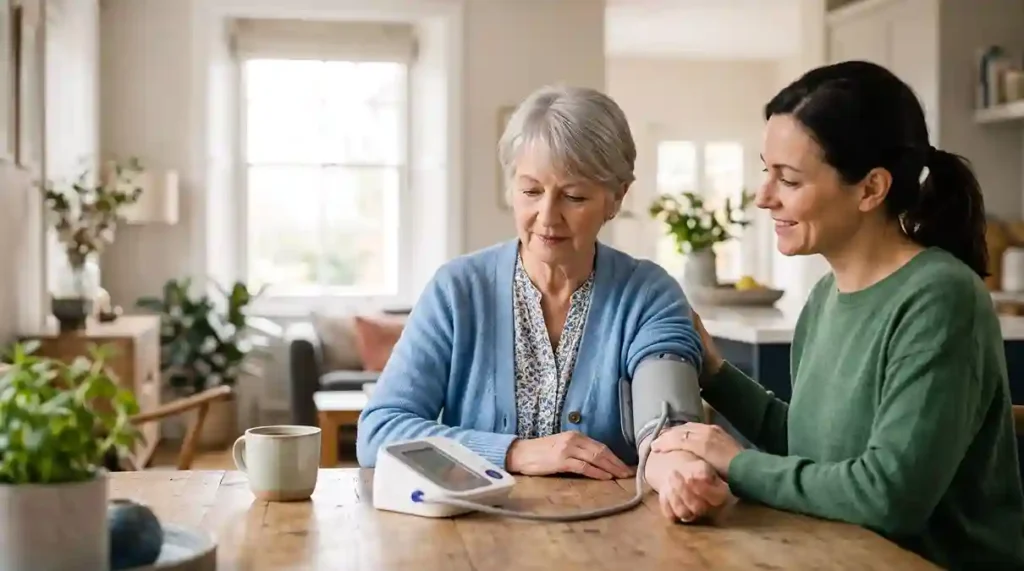
At Serene Soul Care, we care for many elderly female clients. Understanding women’s normal BP by age is a big part of our daily support.
Woman Normal Blood Pressure Changes
As women age, their estrogen levels drop. Estrogen helps keep blood vessels flexible. Without it, blood vessels stiffen, leading to increased pressure. Therefore, the ladies normal blood pressure in their twenties will look very different from that in their sixties.
If you are wondering what the perfect BP for a woman is, there is no single magical number. However, normal B.P levels for women generally sit below 120/80. The normal blood pressure level for female adults might slowly creep up to 130/80 as they age, which is often still considered acceptable by doctors.
A normal BP reading for a female requires context. For instance, 100/60 BP readings for females are perfectly healthy for some women but might cause dizziness in others. On the other hand, a 90/60 BP reading for a female is right on the border of being too low and should be monitored closely.
Deep Dive into Blood Pressure by Age

Let us look at how these numbers progress through the decades.
Adulthood to Senior Years
In adults, normal blood pressure is generally around 120/80. The average adult BP remains fairly stable through the twenties and thirties. However, the average BP range by age begins to shift upward in the forties.
By the time someone reaches their fifties, the healthy BP range widens. Normal values by age take into account the natural ageing of the cardiovascular system.
Specific Guidance for Seniors

Caring for the elderly requires patience and specific knowledge. A senior’s BP chart is slightly more forgiving than a young adult’s.
BP for Seniors
The bp for seniors is a delicate balancing act. Doctors want the pressure high enough to prevent falls but low enough to prevent strokes. A blood pressure chart for seniors often shows that a reading of 130/80 is quite good.
If you are wondering what is normal blood pressure for a 70-year-old is, the answer might surprise you. BP readings of 140/90 or higher are often acceptable for 70-year-old patients, depending on their doctor’s advice. Some charts show a 70 bp (diastolic) as excellent.
Let us look at a few specific readings:
- 130 70 : This is generally an excellent reading for a senior.
- 130 over 70: A BP of 130/70 means the heart is functioning very well.
- 70 130: (Often written as 130/70). This falls right into the healthy zone for the elderly.
- 135 80: This is slightly elevated for a young person, but is often considered perfectly normal and safe for an eighty-year-old.
- 150 80 : This is getting high. A systolic pressure of 150 requires a conversation with a doctor to see if medication is needed.
When viewing a BP chart for elderly patients, you must consider their overall frailty. For example, the normal for 75-year-old female patients might be around 130/80 to 140/90. When checking blood pressure in 80-year-old patients, doctors are often very careful not to lower the pressure too much, as low pressure can cause dangerous dizziness.
Frequently Asked Questions (FAQs)
We receive many questions from concerned family members regarding health readings. Here are some of the most common questions we answer.
What is normal blood pressure by age?
Normal BP changes as we grow older. For young adults, it is usually around 120/80. For people in their sixties and seventies, a normal reading might be closer to 130/80 or even 140/90, depending on their overall health and their doctor’s specific recommendations.
What is the average BP for woman?
The average BP for a woman before menopause is typically around 110/70 to 120/80. After menopause, the average tends to rise due to hormonal changes and the stiffening of blood vessels, often settling around 130/80.
Is 135 80 blood pressure considered high?
For a young adult, 135/80 is considered elevated or Stage 1 hypertension. However, for a senior in their seventies or eighties, many doctors consider this a very acceptable and safe reading, ensuring adequate blood flow to the brain.
How often should an elderly person check their BP?
If they have been diagnosed with hypertension, their doctor may recommend checking it once or twice a day. For those with normal readings, checking it a few times a week or as directed by a healthcare professional is usually sufficient. Always take the reading at the same time of day for accuracy.
Can low BP by age be dangerous?
Yes. While high BP is a known risk factor for heart disease, low BP in the elderly is a major cause of fainting and falls. A reading consistently below 90/60 should be reported to a doctor immediately to prevent accidents at home.
What should I do if my loved one has a reading of 150 80?
A systolic reading of 150 is considered high. You should encourage your loved one to sit quietly for five minutes and take the reading again. If it remains high, you should contact their general practitioner to discuss adjusting their medication or reviewing their care plan.
How can a domiciliary carer help with BP management?
A domiciliary carer provides vital support by reminding seniors to take their prescribed medications on time. They can also assist in preparing heart-healthy meals, encouraging light physical activity, and keeping a daily log of BP readings to share with medical professionals.
Conclusion
Understanding how to read an elderly blood pressure chart is an incredible tool for any family caregiver. Knowing the difference between systolic and diastolic pressure and factoring in age and gender, you can provide the best possible support for your loved one. Remember that numbers naturally rise as we age. What might seem high for a thirty-year-old could be perfectly normal for an eighty-year-old.
At Serene Soul Care, our compassionate carers are dedicated to supporting your loved one’s independence and health at home. Whether you need assistance with daily personal care or help monitoring health routines, our tailored care plans are here to bring you peace of mind. Please consult a healthcare professional for any medical advice, and rely on us to support your family’s daily living needs with dignity and respect.

How to Arrange Home Care After Hospital Discharge in Manchester
Coming home after a hospital stay can be a...

What Happens During a Home Care Assessment in Manchester?
Arranging care for an older parent or loved one...

UTI Symptoms, Causes and Treatment: What Older People and Their Carers Need to Know
Urinary tract infections are one of the most common...