“Dying of old age” is the phrase families use for a peaceful death in a very elderly person after a gradual, natural decline but it isn’t a formal medical diagnosis. Doctors must record a specific cause, such as heart failure, pneumonia, or “frailty of old age,” rather than writing “old age” alone in most cases. Below, we explain what actually happens in the body, how doctors and coroners classify these deaths, and what to expect in the final weeks and days.
Watching a loved one grow older brings a mix of beautiful memories and difficult questions. Families often wonder about the final chapters of life, and when a long life comes to a peaceful end, people frequently say the person “died of old age.” But what does this actually mean, medically and legally?
This guide covers how ageing is defined, what happens inside the body over time, how death certificates handle natural decline, and how to provide comfort and dignity in the later stages of life.
Key Takeaways
- “Old age” is rarely used alone as a cause of death on a certificate — doctors must usually name a specific condition.
- In the UK, guidance from the Office for National Statistics allows doctors to record “old age” or “frailty of old age” as the underlying cause for patients who were very elderly (typically 80+), had no single identifiable disease, and were known to the doctor over time.
- The most common underlying causes behind a natural death in old age are heart disease, stroke, pneumonia, and advanced dementia.
- Cellular ageing begins in a person’s mid-20s, decades before any visible signs appear.
- A natural death from old age is not usually painful — the body follows a recognisable, gradual pattern of decline.
What Is Classed as Old Age?
Society and medicine view ageing through different lenses, and this affects how we answer questions like “what age do you die of old age?”
Historically, retirement age marked the start of “old age,” and in many cultures, 65 is still treated as the threshold. However, people are living longer, healthier lives today, so gerontologists now split later life into three bands:
- Young-old: 65–74
- Middle-old: 75–84
- Old-old: 85 and above
The term old-old age is the group in which a natural, frailty-related death becomes statistically most common.
Can You Die of Old Age? Is It a Real Cause of Death?
Yes but with an important caveat. Medically, “old age” is not automatically accepted as a cause of death; a doctor must usually identify a specific physical failure, such as heart failure or a stroke, that ended life.
That said, in the UK, doctors are permitted to write “old age” or “frailty of old age” on a Medical Certificate of Cause of Death when specific criteria are met:
- The person was very elderly (guidance typically points to age 80 or older).
- The doctor had personal knowledge of the patient’s health over time.
- No single disease can be identified the death instead reflects a gradual, multi-system decline.
So when people ask “is old age a cause of death” or “can old age be a cause of death,” the honest answer is: officially, sometimes yes, but only under these narrow conditions and only for the very elderly. It’s rare for someone in their 60s or early 70s (answering questions like “can you die of old age at 70” or “how young can you die from old age”) to have “old age” listed, because a specific condition is almost always identifiable at that stage of life.
Why Do People Die of Old Age? What Actually Kills You?
When families ask why people pass away in old age, or what kills you when you die of old age, the medical answer is organ failure brought on by cumulative wear.
The heart, lungs, kidneys, and immune system work as an interconnected network. As one system weakens, the others must compensate and in a very elderly body, that extra strain eventually becomes too much for any single organ to bear. This is why how does old age kill you rarely has one single answer: it’s usually the combined effect of several systems failing at once, tipped over the edge by something as small as a minor infection.
The Physiology of Ageing: What Happens Inside the Body
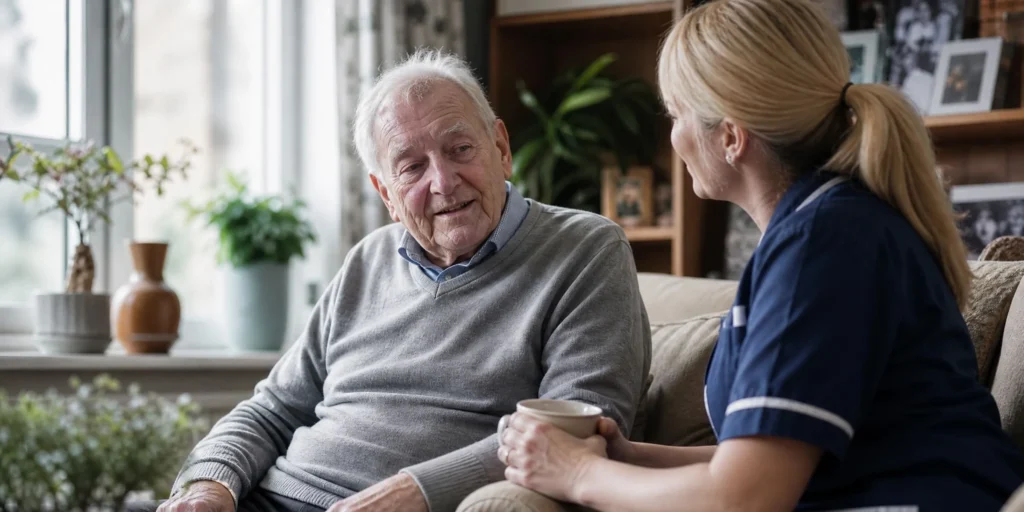
To understand why the body eventually fails, it helps to look at ageing on a cellular level.
At What Age Does Your Body Start to Die?
Ageing actually begins in a person’s mid-20s, when cell regeneration starts to slow. Human cells have a finite number of times they can divide before they stop a biological limit scientists call the Hayflick limit. We don’t notice the effects immediately, but over decades these tiny changes accumulate: tissues stiffen, and organs lose the reserve capacity they once had to handle stress or illness.
Frailty and Cellular Decline
Frailty is a recognised medical syndrome involving loss of muscle mass, decreased energy, and unintentional weight loss. Once frailty sets in, something as minor as a cold can become life-threatening. This gradual weakening is often the root cause behind a “natural” death in very elderly people.
How Each System Changes With Age
- The heart: Blood vessels lose elasticity, forcing the heart to pump harder to move blood around the body.
- The lungs: Lung tissue loses its stretch, and the muscles controlling breathing weaken.
- The brain: The brain naturally shrinks slightly, and neural signalling slows down.
- The immune system: The body becomes less effective at fighting off new infections, which is why pneumonia is so often the final, tipping-point illness.
What Are the Natural Causes of Death in Old Age?
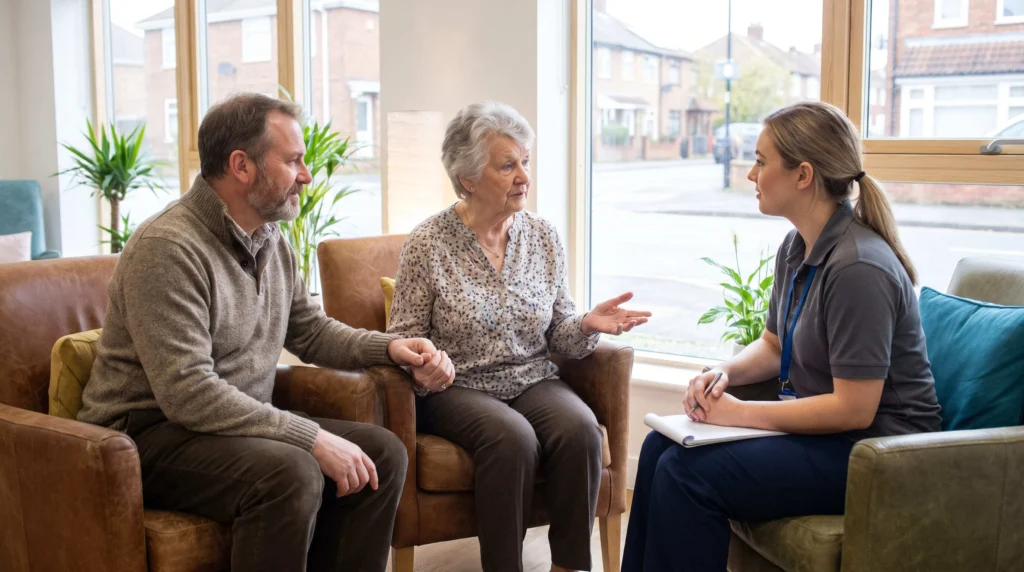
When doctors do name a specific cause instead of “old age,” it almost always falls into one of these categories:
| Category | Examples |
| Cardiovascular disease | Heart attack, heart failure |
| Cerebrovascular disease | Stroke |
| Respiratory infection | Pneumonia, bronchopneumonia |
| Neurological decline | Advanced dementia |
These conditions originate inside the body rather than from an external event, which is what makes them “natural” in both a medical and legal sense as opposed to death from an accident, injury, or other external cause.
Is Dying of Old Age Painful? Signs and Stages Explained
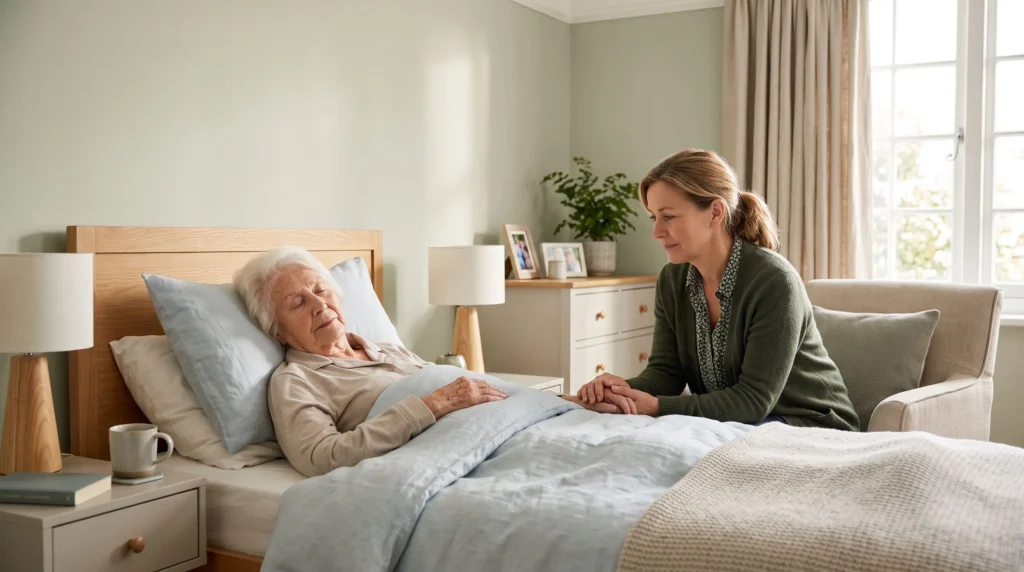
Dying of old age does not happen overnight the process typically unfolds over weeks or months, and caregivers are trained to recognise the pattern.
Early Signs of Decline
- Sleeping much more often
- Eating and drinking significantly less
- Withdrawing from social activities
- Speaking less frequently
This withdrawal is the body conserving its remaining energy, and it’s one of the most common early markers that a natural decline has begun.
Late Signs of Death
As the body nears the end, breathing patterns often change periods of rapid breathing followed by pauses are common and the skin may feel cool to the touch. These are signs the body’s systems are shutting down in sequence.
Importantly, this stage is not usually painful. The body releases natural chemicals that promote a sense of calm, which is why a natural death in old age is generally described as gentle rather than distressing.
Life Expectancy: How Long Do People Actually Live?
People are naturally curious about their own lifespan, and statistics can offer useful context though no one can predict an individual’s exact outcome.
In the UK, average life expectancy is generally around 80–82 years, though many people live well into their 90s and beyond. Genetics, diet, exercise, and social connection all play a meaningful role in extending healthy years.
Some people ask specific questions like “what are my chances of dying at 66 years old?” At 66, the statistical risk of death is relatively low compared with earlier decades, provided there are no serious underlying conditions most people at this age still have many active years ahead.
Can Lobsters Die From Old Age?
Curiosity about ageing extends beyond humans. Lobsters produce an enzyme that continually repairs their DNA, and in theory this could let them live indefinitely but they still die eventually, largely because moulting their shell demands more energy than an ageing lobster can sustain. Human biology works very differently, but the comparison is a useful reminder that ageing, in some form, is a near-universal biological reality.
Compassionate Domiciliary Care for the Later Stages of Life
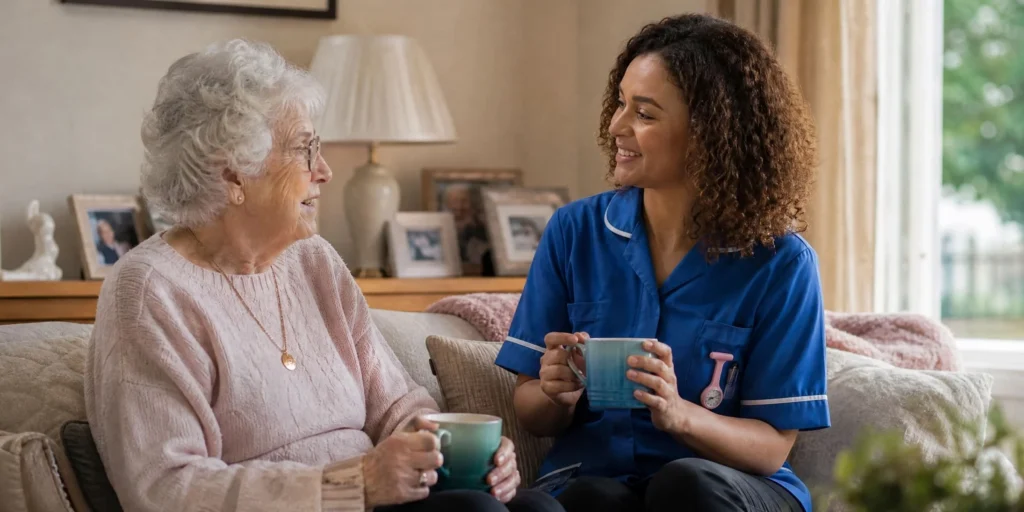
When a loved one reaches the later stages of life, they deserve dignity, comfort, and familiar surroundings. This is where domiciliary (at-home) care becomes invaluable.
At Serene Soul Care, we support independence at home for as long as possible, with tailored care plans for every individual. Our domiciliary care includes:
- Assistance with personal hygiene and bathing
- Help with meal preparation and nutrition
- Medication management and reminders
- Companionship and emotional support
We believe that when a person reaches the end of life, they should do so feeling loved and respected ideally in their own home, surrounded by their own memories.
The Legal Side: Death Certificates and Natural Causes
What Is the Medical Term for Dying of Old Age?
There isn’t a single official medical term for “dying of old age.” Doctors instead use terms like “frailty of old age”, multi-organ failure, or name the specific condition (e.g. bronchopneumonia, cardiovascular failure) that ended life. “Old age” alone is only used in the narrow circumstances described earlier in this guide.
Do You Need a Coroner If Someone Dies of Old Age?
In most cases, no. If the death is recorded as being from natural causes, and the person was under the regular care of a doctor able to certify their decline, no inquest or coroner’s investigation is required. This is one of the main reasons families search for “what does death by natural causes mean” knowing that a peaceful, expected passing doesn’t trigger unexpected legal hurdles brings real relief.
Frequently Asked Questions
It’s a non-medical phrase for a peaceful death in a very elderly person after a gradual decline. Medically, it usually reflects an age-related condition such as heart failure or a respiratory infection rather than a single official “old age” diagnosis.
Through a gradual, cumulative weakening of the heart, lungs, immune system, and other organs, until one often triggered by a minor illness like a cold or infection can no longer cope with the strain.
Yes, in specific circumstances. UK guidance allows “old age” or “frailty of old age” to be recorded when the patient was very elderly, known to the doctor over time, and no single disease could be identified.
No, it is not usually painful. The dying process typically follows a gentle, predictable pattern, and the body releases natural chemicals that promote calm in the final stages.
Increased sleep, reduced appetite and thirst, social withdrawal, and speaking less frequently are the most common early signs of natural decline.
Cellular ageing begins in the mid-20s, though the visible and physical effects usually don’t appear until decades later.
It allows elderly individuals to stay in the comfort of their own home while professional carers support daily living, hygiene, and medication management, adapting the care plan as health naturally changes.
A natural cause stems from an internal illness or the ageing process itself (a heart attack or pneumonia, for example). An unnatural cause involves an external factor, such as trauma or an accident.
Conclusion
Ageing is a universal human experience, and understanding both the medical and emotional realities of dying from old age can remove much of the fear around it. Whether the question is what causes a natural death, or what the final stages actually look like, the underlying truth is the same: the body gradually winds down, in a process that is rarely painful and often peaceful.
With compassionate domiciliary care, like the services provided by Serene Soul Care, individuals can experience this natural transition with dignity, in the comfort of their own home.